The Automation Trap
Why AI without consumers leads to economic collapse.
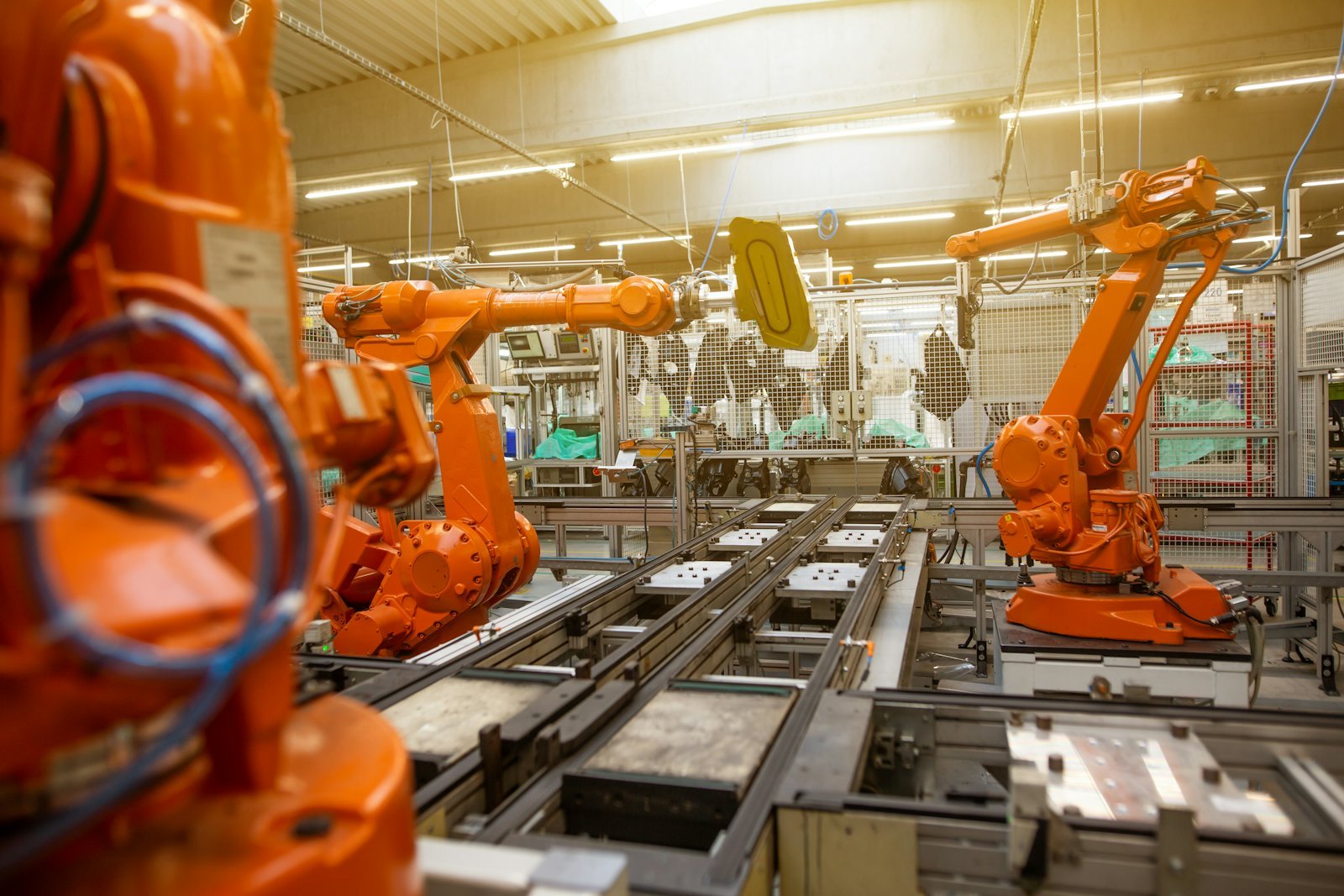
Silicon Valley loves to sell us a utopian vision of the future. In this polished narrative, artificial intelligence and advanced robotics will handle all human labor, freeing us up for a life of perpetual leisure while abundance flows effortlessly from automated systems.
But behind the glossy marketing pitches lies a glaring, unspoken contradiction that threatens to tear the modern economy apart.
If machines do all the work and human labor becomes obsolete, who is left to purchase anything?
Wealth does not exist in a vacuum. It is sustained by transactions, and transactions require buyers who actually have money to spend. As corporations race to replace human workers with algorithms and automation, they are hurtling toward a mathematical wall of their own making.
OneThe Ultimate Paradox of Automation
For decades, corporate leadership has viewed labor primarily as a cost to be minimized. Every time a factory floor is automated or a customer service department is replaced by a chatbot, executives celebrate lower overhead and higher profit margins.
Yet they fail to see the macroeconomic trap they are digging for themselves.
Workers and consumers are the exact same people. When you eliminate the worker, you eliminate the consumer.
If seventy percent of the population loses its income to automation, who is going to buy the products rolling off those automated assembly lines? Corporations cannot survive on sales to other corporations alone. Eventually, the music stops because the cash can no longer circulate through the real economy.
TwoWhy Universal Basic Income Is Just a Band-Aid
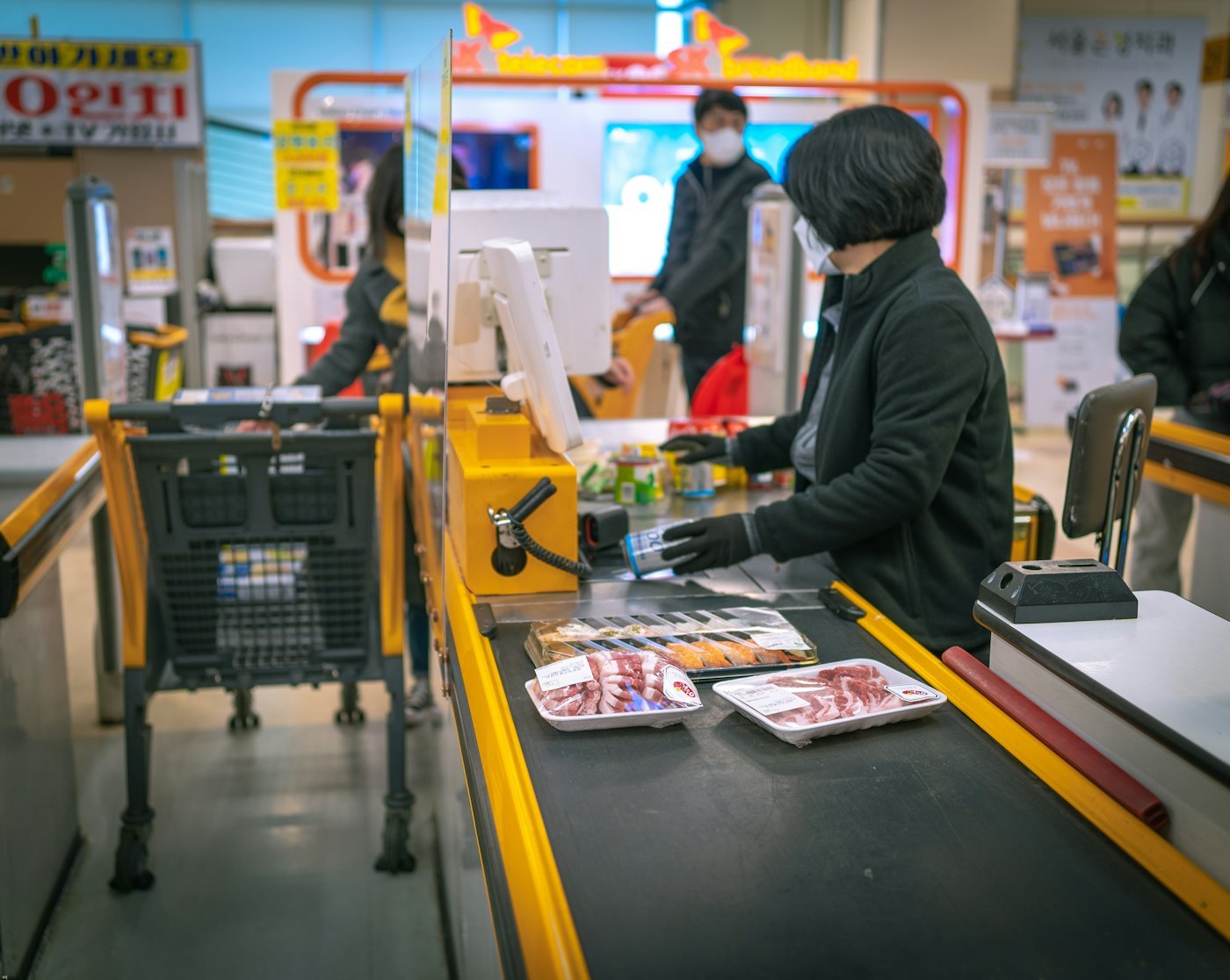
As this crisis looms closer on the horizon, technocrats and policymakers often point to Universal Basic Income as the ultimate safety net. The idea sounds comforting on the surface. Give every citizen a baseline monthly stipend so they can survive in a world without traditional jobs.
The problem is that UBI, as it is currently conceptualized by the political and corporate establishment, is rarely about true liberation. It is about keeping the consumer engine barely functional enough to prevent outright revolution, all while shifting absolute power to whoever controls the faucet.
ThreeThe Dark Side of Controlled Spending
The real danger of relying on a state-managed or corporate-funded stipend lies in the fine print. Money is not just a medium of exchange; it is a measure of human autonomy.
When income is decoupled from labor and handed down as a conditional allowance, it almost always comes with strings attached. We are already seeing the early blueprints of this in central bank digital currencies and corporate loyalty ecosystems.
Controlled spending is not a solution.

If a basic income program comes paired with behavioral tracking, spending restrictions, or expiration dates on your funds, it is no longer financial freedom. It is digital feudalism. It turns citizens into dependent subjects who must ask permission to buy food, secure housing, or travel, stripping away the foundational dignity that underpins a free society.
FourRe-anchoring the Economy in Human Value
If we want to avoid a future where a handful of tech monopolies own every automated asset while the rest of the population lives on a rationed, monitored allowance, we have to rethink the fundamentals of ownership and value creation.
Band-aids like conditional stipends or corporate welfare disguised as universal support will not fix a structurally broken foundation. True economic stability requires:
- Democratic Control Over Automation: Ensuring that the massive productivity gains of AI are shared broadly rather than siphoned exclusively into private hoards.
- Redistributing Work: Shifting toward shorter working hours distributed across the entire population so everyone shares the remaining labor and maintains a direct connection to earned income.
- Structural Equity: Building economic models where workers own a direct stake in the productivity of the technology they live alongside.
In closingA Wake-Up Call Before the Collapse
The coming wave of artificial intelligence forces us to make a profound choice.
We can build an economy where technology serves the broad public interest and preserves human dignity, or we can stumble blindly into a neo-feudal dystopia where a tiny elite owns the machines and rations out survival tokens to the rest of us.
If the rich and powerful think they can automate humanity out of the workforce while keeping their fortunes intact, they are about to learn a brutal lesson.
An economy without buyers is a dead economy, and no amount of controlled spending can resurrect a market that has been starved of its lifeblood.
■