The Illusion of the Perimeter
Why the ultra-rich can never truly isolate themselves.
For centuries, human civilization has danced with a persistent fantasy: the construction of the absolute perimeter. It is the belief that enough capital, enough reinforced concrete, enough private security, and enough physical distance can sever a person from the messy, volatile friction of the broader world. When societies grow unequal, when economic systems strain under the weight of hyper-concentration, and when public infrastructure begins to fray at the edges, the natural instinct of the apex class is to retreat inward. They build higher walls. They retreat to gated estates, private islands, subterranean bunkers, and exclusive enclaves guarded by biometric sensors and armed patrols.
The psychological comfort of the fortress is intoxicating. It whispers a seductive promise: Outside is chaos, but here, you are safe. Here, the rules do not apply.
Yet, history and systems theory tell us a very different, unyielding truth. The ultra-rich can spend billions attempting to insulate themselves from the socioeconomic realities of the world they profit from, but absolute isolation is a biological, ecological, and economic impossibility. No perimeter can hold back the systemic consequences of a collapsing society indefinitely.
Eventually, the outside world breaches the gates.
OneThe Architecture of Evasion: Mapping the Modern Fortress
To understand the modern psychology of insulation, one only has to look at the physical manifestations of extreme wealth concentration over the last few decades. The traditional neighborhood—where rich and poor lived within proximity, sharing basic civic spaces—has been largely dismantled in favor of hyper-segregated enclaves.
From the sprawling secure ranches of tech billionaires in New Zealand to heavily guarded compounds in Aspen, celebrity-studded private islands in the Caribbean, and ultra-luxury high-rises in major global metropolises with private elevators bypassing public lobbies, the strategy is identical. It is an architecture of evasion.
- The Private Bubble: The daily life of the hyper-wealthy is increasingly engineered to avoid friction. Private jets eliminate commercial terminals. Chauffeurs and private security details eliminate public transit. Gated master-planned communities eliminate the unpredictable neighborhood street.
- The Outsourced Public: Everything that once required civic participation—parks, security, education, healthcare—is privatized. Private schools replace public education. Private security details supplement or replace municipal police. Private clubs replace public squares.
On paper, this looks like complete autonomy. But it rests on a foundational delusion: the idea that the private sphere can exist independently of the public infrastructure that supports it.
When a billionaire flies into a private airstrip, they are still landing in a country whose air traffic control, national weather services, and legal frameworks are maintained by the public state. When they drink clean water or turn on the lights in their fortress, they rely on regional power grids and watersheds that span hundreds of miles.
The wall only protects what is inside of it. It does nothing to preserve the vast, complex machine required to keep the outside world running.
TwoThe Fallacy of the Private Security Force
When the conversation turns to physical protection, the wealthy often lean heavily on the concept of private security. If social unrest bubbles up, or if public dissatisfaction turns volatile, the assumption is that an army of private guards will act as an impenetrable shield.
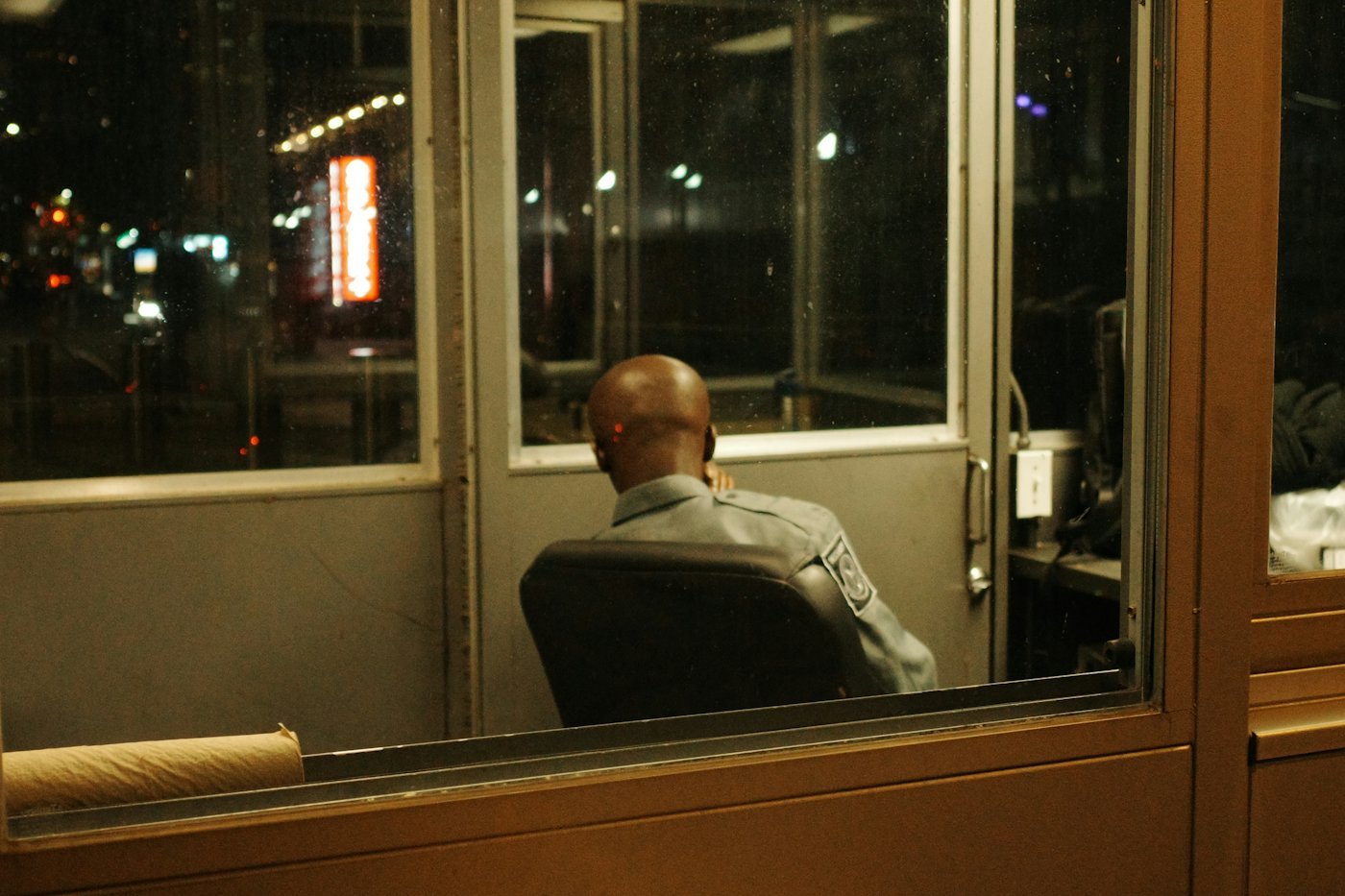
A closer look at security dynamics reveals the fragility of this arrangement. Private security personnel are not robots; they are human beings drawn from the very working class that the walls are designed to keep out. They commute to the fortress from ordinary neighborhoods. They have families relying on public healthcare, children attending public schools, and grocery bills impacted by the same inflation that squeezes everyone else.
- The Loyalty of the Uniform: In times of profound systemic stability, financial compensation can buy loyalty. But history shows that when a society reaches a point of acute systemic shock—when basic survival for the majority is threatened—the psychological and social ties of private guards to their communities and families will almost always outweigh their allegiance to an employer.
- The Insider Threat: A private security detail is, by definition, an inside presence. In high-stress crisis scenarios, the barrier between the protector and the protected dissolves rapidly.
Furthermore, private security can manage localized incidents, petty crime, or targeted disruptions. It is entirely powerless against macro-level systemic collapse. You cannot shoot your way out of a regional power grid failure, a widespread supply chain collapse, an uncontained pandemic, or the quiet, corrosive degradation of the ecological systems that supply your food and water.
ThreeThe Psychological Cost of the Gated Mind
While the physical limitations of a fortress are severe, the psychological toll of hyper-insulation is even more destructive to those inside it.
Human beings are fundamentally social, interdependent creatures. We evolved in tribes where survival depended on cooperation, empathy, and shared vulnerability. When an individual or a class constructs an artificial barrier between themselves and the human race, they undergo a profound psychological shift.
- The Paranoia Loop: Living behind walls requires constant vigilance. The moment you define your existence by what you are keeping out, your mind begins to treat everything outside the perimeter as an existential threat. The world stops being a place of opportunity and beauty and becomes a hostile wilderness.
- Atrophy of Empathy: When you never interact with someone who is struggling to pay rent, afford insulin, or navigate a broken bureaucratic system, your capacity for shared human understanding atrophies. This breeds a toxic disconnect where the ultra-wealthy begin to view the suffering of the working class not as a systemic failure, but as a personal moral failing or a mere statistical abstraction.
- The Golden Cage: Isolation is, by definition, imprisonment with better amenities. The more exclusive the club, the smaller the world becomes. Over time, the fortress stops being a sanctuary and starts resembling a cage, where the inhabitants are cut off from the vibrant, unpredictable pulse of human culture, art, and genuine connection.
The irony of the ultra-rich spending fortunes to escape the pressures of modern society is that they often replace those pressures with an even more exhausting psychological burden: the perpetual, paranoid maintenance of their own safety.
FourThe Inevitable Breach: Why Systemic Collapse Transcends Borders
No matter how remote a property is, or how thick its reinforced steel doors are, it remains tethered to the global ecosystem. Wealth cannot buy you a separate atmosphere, a private ocean current, or an independent supply of breathable air.
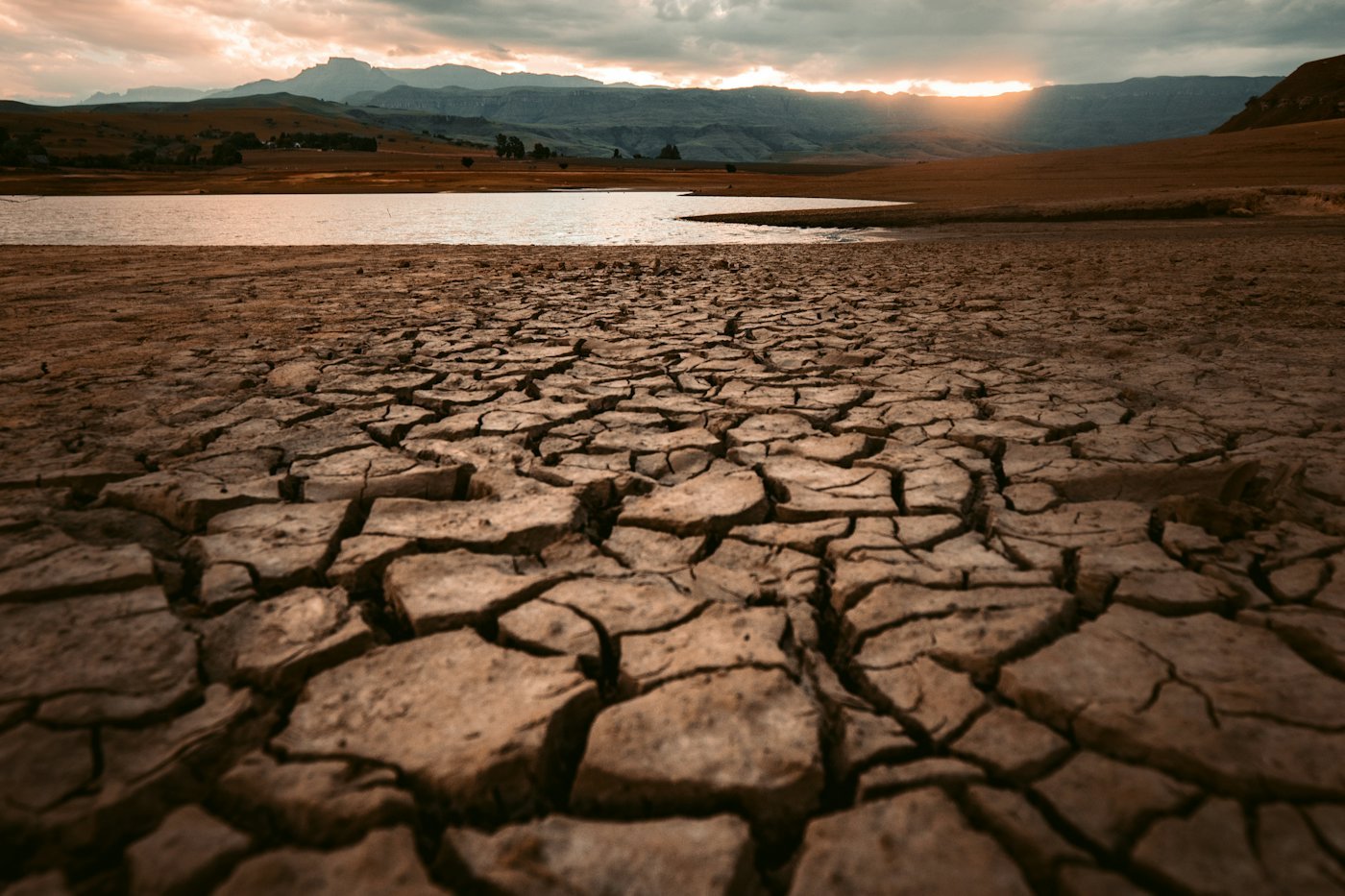
Look at the converging crises of the twenty-first century. Climate change, ecological degradation, systemic economic volatility, and geopolitical instability do not respect property lines.
- Environmental Spillover: A climate-induced mega-drought, extreme wildfire season, or agricultural collapse does not stop at the gates of a billionaire’s compound. When regional water tables drop or food supply chains fracture, elite status does not manufacture rain or grow crops in sterile soil.
- Economic Contagion: Financial insulation is equally fragile. Ultra-high-net-worth individuals often believe their wealth is safely diversified across global stocks, private equity, and real estate trusts. But if the foundational consumer base collapses—if the middle and working classes lose the ability to buy, rent, or produce—the entire valuation of global capital undergoes a catastrophic reprisal. Paper wealth evaporates when the real economy backing it stops breathing.
- The Social Spillover: When extreme inequality pushes a population past its breaking point, the friction eventually overwhelms the buffer zones. Supply chains are disrupted by strikes and civil disobedience. Airports face closures. Digital infrastructure becomes vulnerable to systemic cyberattacks or infrastructure sabotage.
The wealthy often view social unrest as something that happens over there—in downtown cores, in developing nations, or across town in the neighborhoods they drive past in tinted-glass cars.
But systemic collapse is a rising tide. It rises until it reaches every door.
FiveThe Only True Security: Shared Prosperity
If physical walls, private security, and psychological detachment cannot protect the ultra-rich, what can?
The answer is as old as civilization itself, though it is routinely ignored by modern corporate elites: true security is structural, not defensive.
You cannot build a safe society by locking yourself away from an unsafe one. You can only achieve safety by investing in the health, stability, and prosperity of the entire community. When the foundational layers of society are robust—when healthcare is accessible, education is strong, labor is fairly compensated, and housing is secure—the pressure cooker of social despair defuses itself.
- Civilizational Insurance: Progressive taxation, robust public infrastructure, and social safety nets are not acts of charity or punitive measures designed to punish success. They are the baseline maintenance fees for living in a civilized world. They are the structural walls that prevent the lower floors of the building from collapsing and taking the penthouse down with them.
- The Interdependent Reality: The billionaire and the barista are tied to the same economic ship. If the barista cannot afford to live, cannot get to work, or is broken by chronic financial stress, the entire service ecosystem grinds to a halt. Pretending otherwise is a dangerous fantasy.
In closingTearing Down the Walls Before They Fall
The fantasy of the isolated elite is ultimately a tragedy in slow motion. It assumes that human beings can successfully divide themselves into two distinct species: those who live inside the perimeter and those who endure the wasteland outside.
History shows that this division never holds. The pressure always mounts. The walls either crumble from neglect or are breached from without.
The ultra-wealthy and the policymakers who serve them face a stark choice. They can continue down the path of hyper-insulation, retreating deeper into gated fortresses while the world outside burns, waiting for the inevitable day when the perimeter fails. Or they can wake up to the reality that their fortunes, their safety, and their humanity are inextricably bound to the well-being of everyone else.
You cannot out-build, out-police, or out-hide the consequences of a broken society. The only way to be truly safe is to build a world where nobody feels the need to break down your door in the first place.
■